Korea’s link with Palma: the Sóller train and Ahn Eak-tai
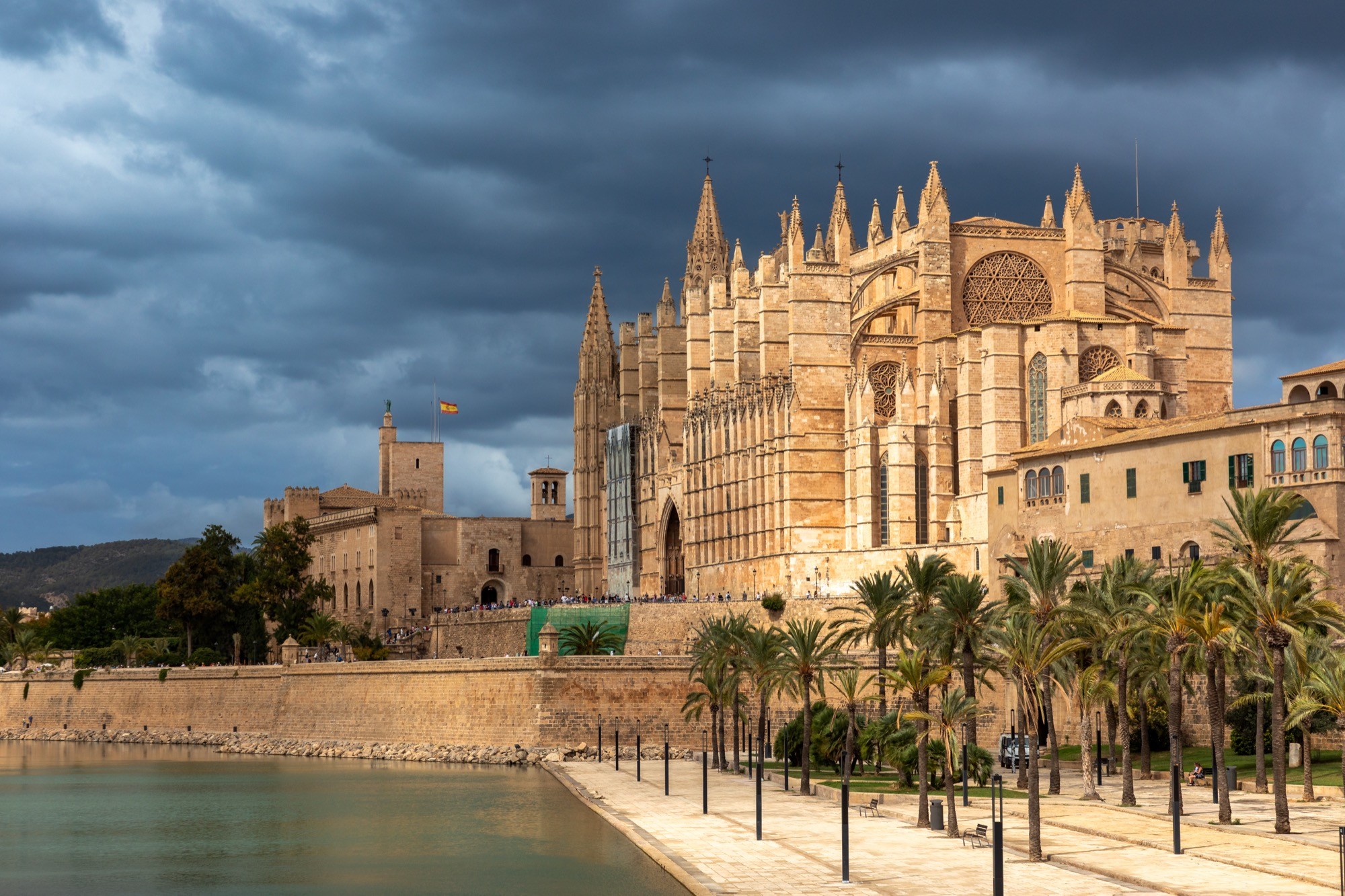
The Sóller train, opened in 1920, is one of Mallorca’s most emblematic historic forms of transport, linking the Sóller valley with the city of Palma along a route all its own. Its famous original wooden carriages cross the Serra de Tramuntana through tunnels cut into the rock and Mediterranean landscapes, making the journey an unforgettable experience and part of the island’s historical and cultural heritage. But today we want to write not only about the Sóller railway, but about another way of seeing Palma from a different angle. Beyond its historic heritage and its architecture, the capital of Mallorca holds a special interest for visitors from Korea. Above all through the figure of the Korean composer Ahn Eak-tai, who wrote the Korean national anthem, the city keeps up a curious cultural connection that makes a visit to the capital more interesting still.
Ahn Eak-tai and his connection with Palma
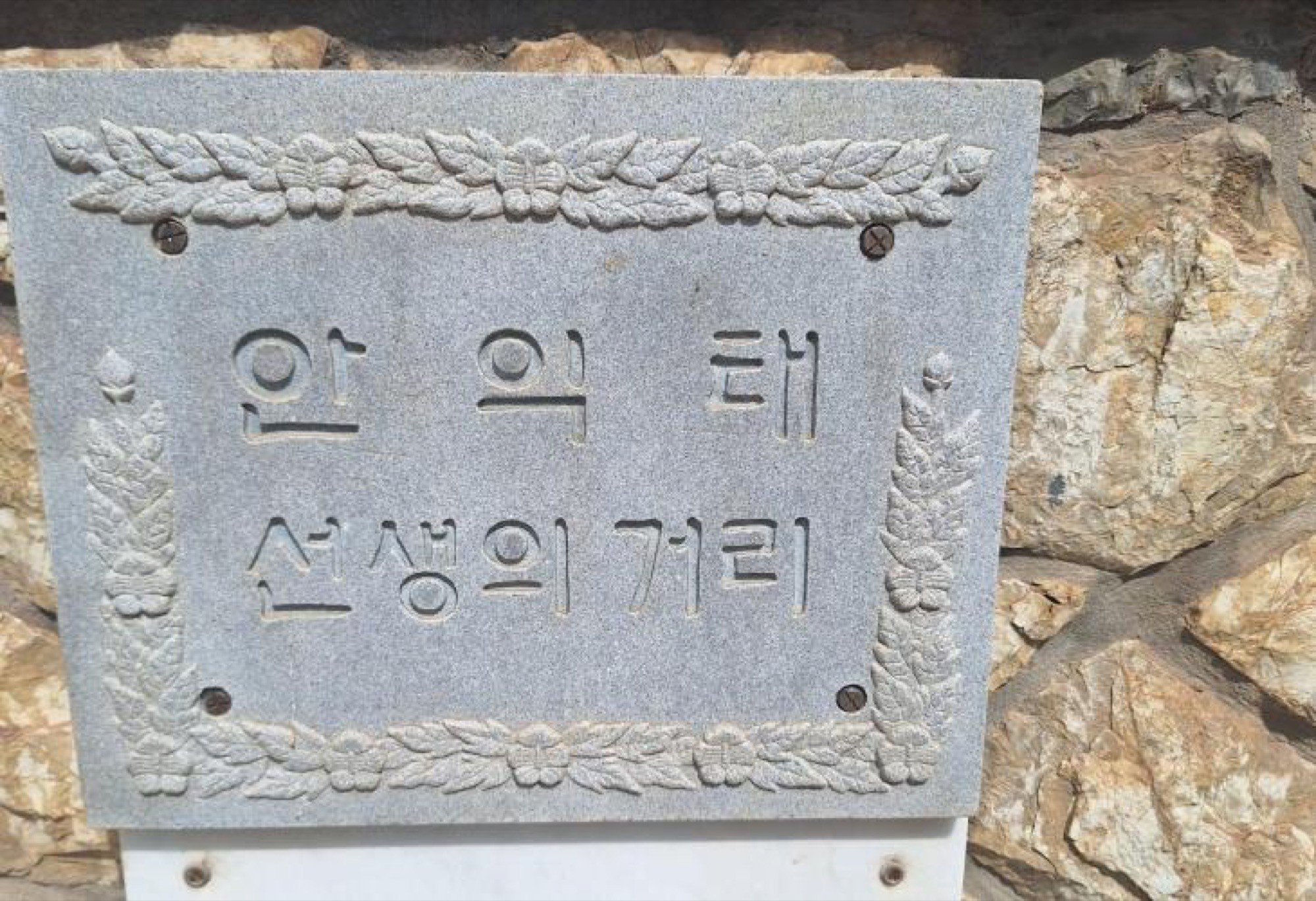
The link between Palma and Korea is bound up with the composer and conductor Ahn Eak-tai (Pyongyang, 1906 – Mallorca, 1965), who wrote the national anthem of South Korea, known as the Aegukga. Over his career he conducted some of the most important orchestras in Europe, including the Vienna Philharmonic, the Berlin Philharmonic and the Rome Philharmonic, establishing himself as a leading figure in twentieth-century classical music. A very important part of his life, however, was tied to Mallorca and in particular to the city of Palma, where he settled with his wife María Dolores Talavera during the 1940s. In the years he lived on the island, Ahn Eak-tai took an active part in the musical life of Palma and was the first conductor of the Balearic Symphony Orchestra, which he led between 1947 and 1959.
His work contributed to the development of classical music in Mallorca and left an important mark on the city’s cultural history. Palma therefore still has several places that pay tribute to him and that you can discover during your visit. Chief among them is the sculpture dedicated to Ahn Eak-tai on the Passeig del Born, one of the best-known avenues in the historic centre. The city also has a street named after him and the house where he lived for years in Cala Major, which can now be visited as a house museum. Walking round these places reveals a curious chapter in Palma’s history that connects the city with Korea and with music.
Palma as a destination of interest for Korea
As well as its historic heritage and its architecture, Palma has in recent years become a destination of growing interest to visitors from Korea. The city, with a historic centre full of life, offers a very particular combination of culture, tradition and Mediterranean life. That interest is also reflected in the cultural exchange that has gradually grown up between Palma and Korea. In the city you can find places serving Korean food, as well as cultural and musical events that bring the traditions of that country closer to the island. On a visit to Palma you can discover not only its monuments and historic streets but also some places that recall this cultural connection between the city and Korea.
A good way to start is a walk along the Passeig del Born, one of the most elegant and best-known spaces in the city’s historic centre. This broad tree-lined promenade is one of Palma’s main meeting points and an ideal place to begin taking in the atmosphere of the capital. This is also where you will find the sculpture dedicated to the Korean composer Ahn Eak-tai, recalling the cultural relationship between Palma and Korea.
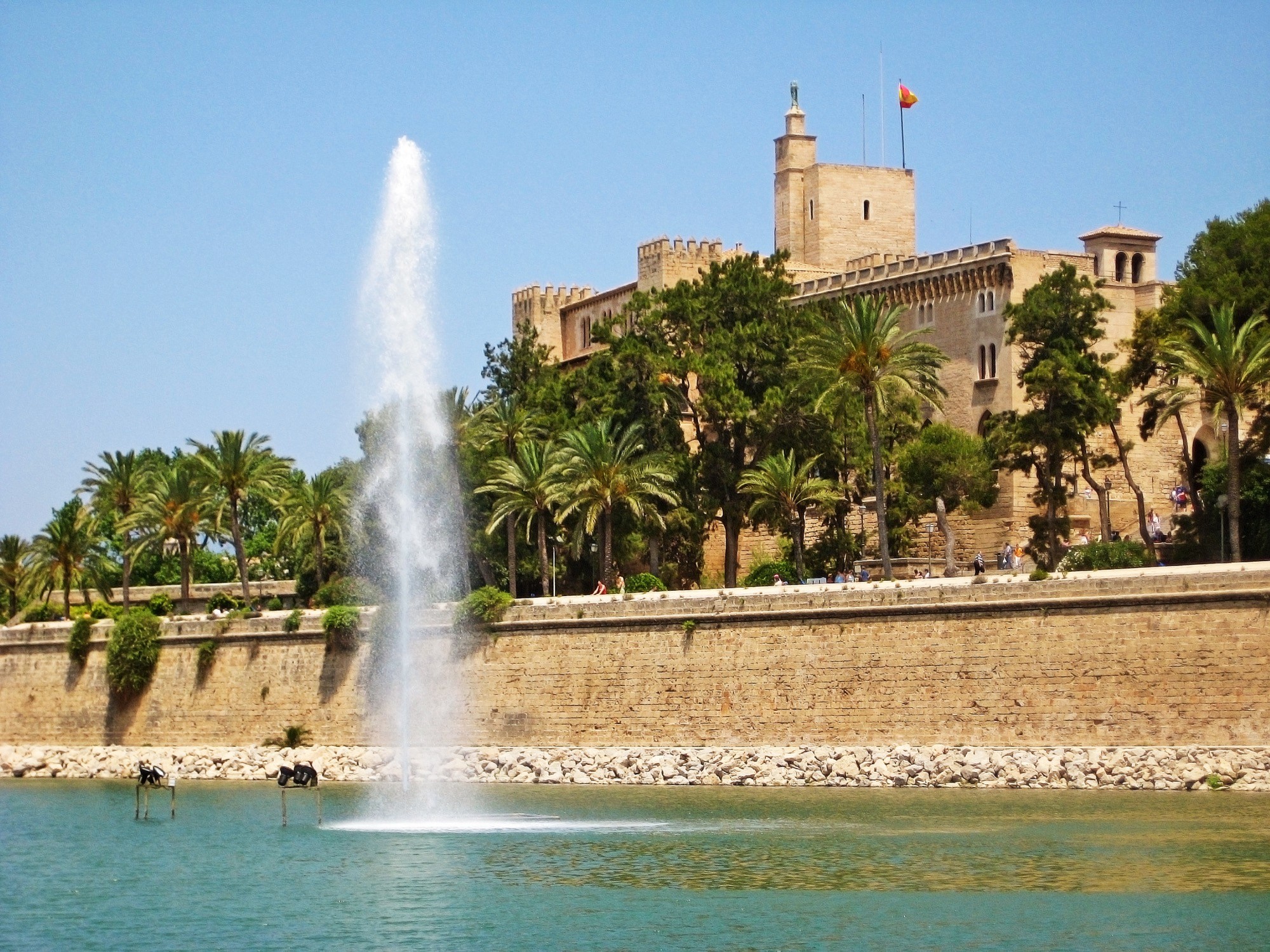
From the Passeig del Born you can easily carry on on foot to some of the city’s most representative places. A few minutes away are the Cathedral of Mallorca, known as La Seu, and the Almudaina Palace, two of the most important monuments in Palma’s historic centre. From this same area you can also head into the streets of the old town and discover some of the liveliest corners of the city centre. Among them is Carrer Sant Miquel, one of Palma’s busiest shopping streets, lined with shops, small businesses and historic buildings that reflect everyday life in the centre. Walking these streets lets you take in the character of the city at your own pace while discovering squares, inner courtyards and other corners full of history.
From the Alcázar Hotel to Palma by train
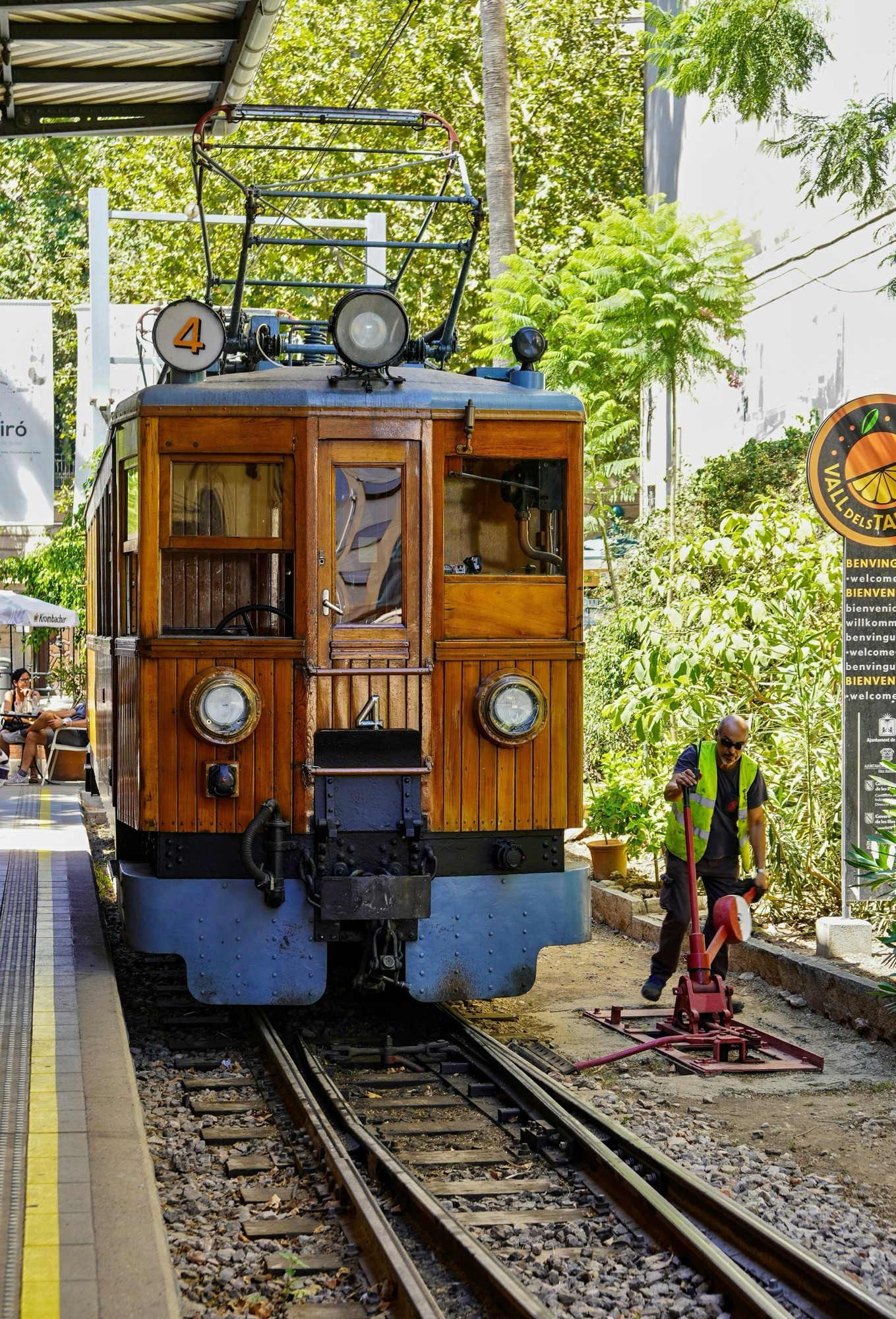
If you are staying at the Alcázar Hotel and would like to visit Palma during your stay, one of the most enjoyable ways to do it is on the Sóller railway, which links the Sóller valley with the island’s capital. The station is a few minutes from the hotel, and from there you set off on a route that crosses the Serra de Tramuntana between mountains, orange groves and tunnels cut into the rock. Along the way you can enjoy the landscape that is so characteristic of this part of Mallorca as you head towards the city.
The journey takes about an hour and ends at the Palma station, very close to the historic centre. From there you can begin your visit on foot and see some of the most representative parts of the city, such as the Cathedral of Mallorca, the Almudaina Palace or the streets of the old town, where many of the capital’s historic buildings are concentrated. To get back to the Sóller valley at the end of the day, besides the train itself you can also return by taxi, a quick and comfortable alternative, or take the TIB 204 bus, which connects Palma with Sóller and makes the return easy after your day out.
If you are staying at the Alcázar Hotel Sóller and would like more information about Korea’s connection with Palma, or about other places of interest, do ask our reception team, who will be delighted to answer any questions.


Sleep in
( the valley )
All of this is a few minutes from the hotel. 31 rooms right in the centre of Sóller, with breakfast included and the Serra de Tramuntana behind.
